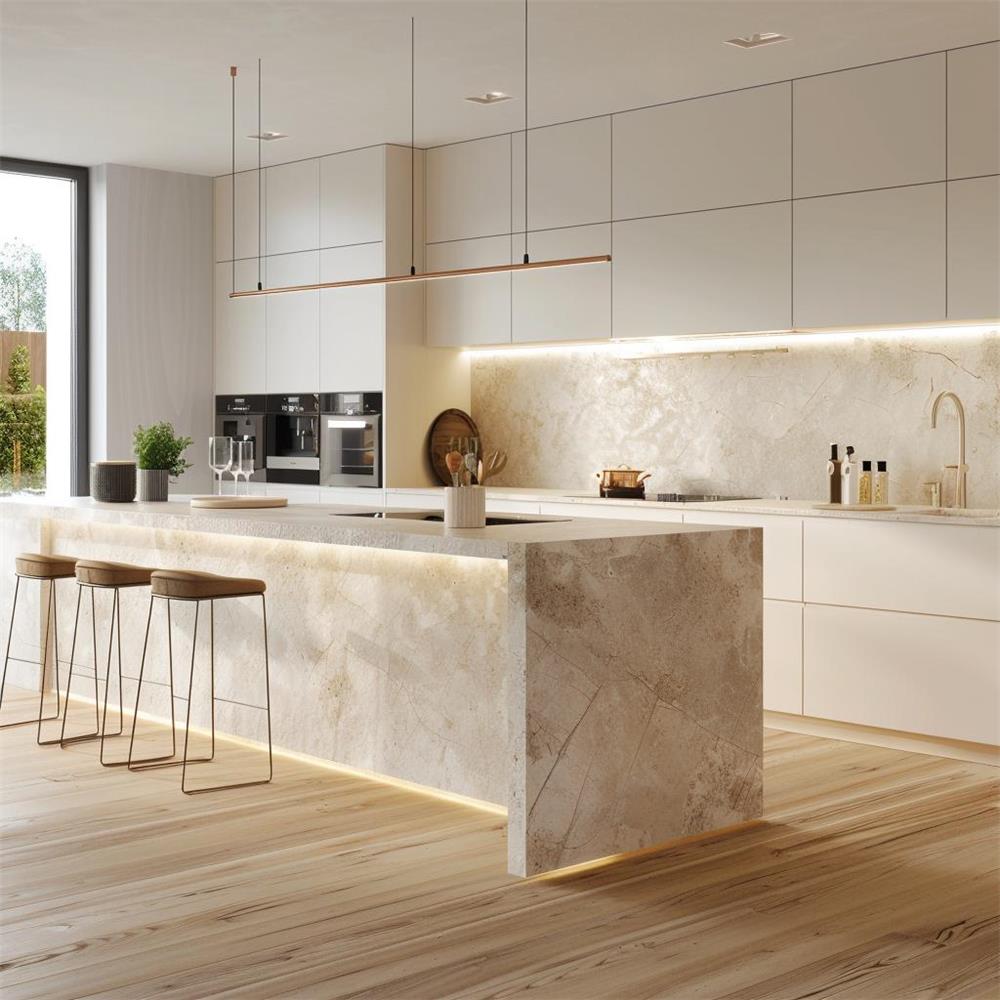
Custom Stone Surfaces: Bespoke Natural Stone Solutions for Exceptional Spaces
10/13/2026
Reading time: 5
Natural stone has long been a defining material in architecture and interior design, valued for its timeless beauty, distinctive character, and enduring appeal. Today, the possibilities for architectural materials extend far beyond standard slabs and conventional applications. With custom stone surfaces, architects and designers can create unique architectural features tailored to the specific requirements of each project.
At DPM Studio, Custom Stone Surfaces bring together material selection, design flexibility, and craftsmanship to support distinctive architectural and interior spaces. From statement walls and elegant flooring to sculptural furniture and decorative elements, custom stone fabrication opens up new possibilities for creative expression. From statement walls and elegant flooring to sculptural furniture and decorative elements, custom stone fabrication opens up new possibilities for creative expression.
Whether designing a luxury residence, a boutique hospitality environment, or a sophisticated commercial interior, bespoke stone solutions allow every detail to contribute to a cohesive design vision.
What Are Custom Stone Surfaces?
![What Are Custom Stone Surfaces?]()
Custom stone surfaces are natural stone elements designed and fabricated according to the individual specifications of an architectural or interior design project.
Unlike standard stone products, which are typically supplied in predetermined sizes, shapes, and finishes, bespoke natural stone solutions offer greater flexibility in appearance, dimensions, and application.
This approach allows designers to explore:
- Custom dimensions: Stone components tailored to specific spatial and architectural requirements.
- Unique shapes and forms: Geometric, curved, organic, or sculptural designs.
- Material and colour selection: Natural stone varieties chosen to complement the project’s aesthetic.
- Surface textures: Smooth, textured, or visually expressive surfaces.
- Specialised finishes: Surface treatments selected to achieve the desired appearance and functionality.
- Architectural integration: Stone elements designed to work harmoniously with surrounding materials and structures.
Through custom stone fabrication, natural stone becomes more than a surface material—it becomes an integral part of the architectural concept.
Exploring Natural Stone Materials for Bespoke Projects
Selecting the right Natural Stone Materials is one of the most important steps in creating a successful bespoke stone design. Each natural stone offers its own visual characteristics, textures, colour variations, and performance properties.
Depending on project requirements and material availability, several natural stone categories may be considered:
Marble: Timeless Elegance and Distinctive Veining
Marble is widely appreciated for its luxurious appearance, natural veining, and sophisticated colour variations. It is particularly suitable for decorative architectural features, statement walls, vanity tops, bespoke tables, and refined interior surfaces. From subtle neutral tones to dramatic veined compositions, marble offers opportunities to create expressive and visually distinctive designs.
Granite: Strength and Natural Character
Granite is recognised for its durability, varied mineral patterns, and resistance to everyday wear when appropriately specified. It is often considered for kitchen countertops, flooring, commercial surfaces, and architectural elements requiring a combination of visual appeal and practical performance. Custom granite fabrication can accommodate different edge profiles, dimensions, and surface treatments.
Travertine: Warmth and Organic Texture
Travertine introduces warmth, depth, and natural texture to architectural environments. Its earthy tones and characteristic surface structure make it a popular option for feature walls, flooring, bathroom interiors, and contemporary decorative elements. Depending on the design intent, travertine may be selected with filled, unfilled, honed, or textured finishes.
Limestone: Subtle and Architectural
Limestone is valued for its understated appearance, natural colour palette, and versatility in architectural design. It can be used to create harmonious interior surfaces, wall cladding, flooring, and bespoke architectural details. Its relatively subtle visual character makes it especially attractive for minimalist and contemporary environments.
Onyx and Other Decorative Natural Stones
For projects seeking a more expressive visual identity, decorative natural stones such as onyx can offer striking patterns, translucency, and rich colour variations. Certain onyx varieties can also be incorporated into backlit architectural features, provided the stone and lighting system are appropriately engineered.
The final material selection should always consider aesthetic objectives, intended use, maintenance requirements, and technical suitability.
Bespoke Stone Design: Tailored to Every Project
![Bespoke Stone Design: Tailored to Every Project]()
One of the greatest advantages of custom stone surfaces is the ability to adapt natural materials to the precise needs of an individual space. Every architectural project has its own dimensions, visual language, and functional requirements. Bespoke stone design responds to these differences by allowing greater control over the final product.
Custom Sizes and Dimensions
Stone elements can be specified to accommodate unique spatial requirements, from compact decorative components to large architectural surfaces. Careful consideration of slab availability, structural support, transportation, and installation ensures that the proposed dimensions are practical and achievable.
Custom Shapes and Forms
Bespoke natural stone is not limited to conventional rectangular slabs. Depending on the material and fabrication capabilities, designers may explore circular tabletops, curved profiles, angular architectural details, organic forms, and sculptural compositions. This flexibility creates opportunities for natural stone to become a focal point within an interior.
Colours and Natural Patterns
Natural stone offers a diverse palette of colours, from soft whites, creams, and greys to deep blacks, greens, and warm earth tones. Because every natural stone block is unique, its veining and mineral composition contribute to the individuality of the finished surface. For larger installations, careful slab selection and vein matching can help achieve visual continuity across adjoining elements.
Surface Textures and Finishes
The finish of a stone surface can significantly influence its visual character, tactile quality, and suitability for a particular application. Common options include:
- Polished: A reflective finish that enhances colour depth and natural veining.
- Honed: A smooth, matte or low-sheen appearance suited to understated interiors.
- Brushed: A subtly textured surface with a softer tactile character.
- Sandblasted: A more pronounced texture for selected architectural applications.
- Leathered: A textured finish that highlights the stone’s natural structure.
- Flamed: A rougher finish used with suitable stone varieties, often for applications requiring additional surface texture.
The availability of each finish depends on the selected stone and the technical requirements of the project.
The Custom Stone Fabrication Process: From Concept to Completion
![The Custom Stone Fabrication Process: From Concept to Completion]()
Creating bespoke natural stone products involves several coordinated stages, from the initial design concept to fabrication and final installation planning. A structured approach helps ensure that aesthetic ambitions are balanced with material characteristics and technical considerations.
Step 1: Design Consultation and Project Requirements
The process begins with understanding the project’s design objectives, intended application, dimensions, aesthetic preferences, and functional requirements. Architectural drawings, reference images, material samples, and technical specifications can help establish a clear direction.
Step 2: Natural Stone Selection
Suitable natural stone options are evaluated based on colour, veining, texture, durability, and project suitability. This stage may also involve reviewing available slabs and considering how their natural patterns will appear within the proposed design.
Step 3: Custom Design and Technical Planning
Once the design direction is established, the proposed stone components are developed in greater detail. Important considerations include dimensions, thickness, edge profiles, joints, openings, support requirements, and installation conditions. For complex forms, technical drawings or digital models may be used to communicate fabrication requirements.
Step 4: Cutting, Shaping, and Fabrication
The selected stone is processed according to the approved specifications. Depending on the fabrication facility and design complexity, methods may include precision cutting, waterjet cutting, CNC machining, edge profiling, and detailed hand finishing. These techniques can support the production of intricate shapes, accurately sized components, and refined architectural details.
Step 5: Surface Finishing and Quality Review
After shaping, the stone undergoes the specified surface finishing process. Components are reviewed for dimensional accuracy, finish consistency, visual quality, and alignment with the approved design requirements.
Step 6: Delivery and Installation Coordination
Appropriate packaging, handling, and installation planning are essential, particularly for large, heavy, or delicate stone components. Coordination between the design team, fabricator, and installer helps protect the finished material and support a successful project outcome.
Applications of Custom Stone Surfaces in Architecture and Interior Design
Bespoke stone fabrication allows natural stone to be integrated into a wide range of architectural and interior applications:
1. Feature Walls and Architectural Cladding
Natural stone feature walls create depth, texture, and a strong visual identity. Custom stone panels can be used in entrance halls, reception areas, living rooms, luxury bathrooms, and hospitality interiors. Carefully selected veining and panel arrangements can transform an ordinary wall into a distinctive architectural composition.
2. Custom Stone Flooring
Natural stone flooring allows designers to create bespoke layouts that respond to the proportions and character of a space. Custom dimensions, patterns, borders, and finishes can help establish a cohesive design language across residential and commercial environments. Custom dimensions, patterns, borders, and finishes can help establish a cohesive design language across residential and commercial environments. For flooring applications, slip resistance, traffic levels, and maintenance requirements should be considered alongside appearance.
3. Kitchen Countertops and Islands
Custom natural stone countertops can combine practical functionality with sophisticated design. Bespoke fabrication enables tailored dimensions, sink openings, edge details, and integrated design features. Stone kitchen islands can also become sculptural centrepieces, particularly when dramatic natural patterns or waterfall edges are incorporated.
4. Bespoke Stone Tables and Furniture
Natural stone can be used to create distinctive dining tables, coffee tables, side tables, consoles, and other furniture elements. Customised proportions, edge treatments, and combinations with metal, timber, or glass can produce pieces that complement a broader interior concept.
5. Bathroom Vanities and Architectural Details
Custom stone fabrication is particularly valuable in luxury bathroom design. Potential applications include vanity countertops, basin surrounds, shower walls, bath surrounds, shelving, and decorative stone features. Material suitability, water exposure, sealing, and ongoing maintenance are important considerations in wet environments.
6. Decorative and Sculptural Stone Elements
Beyond conventional architectural surfaces, bespoke natural stone can be incorporated into decorative objects and sculptural installations. Examples include statement plinths, display elements, architectural columns, fireplace surrounds, shelving, and custom decorative compositions. These elements allow designers to introduce natural stone as a distinctive artistic feature rather than simply a finishing material.
The Role of Precision and Technology in Bespoke Stone Fabrication
Modern custom stone fabrication combines traditional material knowledge with specialised processing techniques. Depending on the requirements of a project, digital design and precision manufacturing methods can help achieve complex forms and detailed finishes:
- CNC machining: Supports controlled cutting, profiling, and shaping of suitable stone materials.
- Waterjet cutting: Used for intricate patterns and precise geometric cuts, depending on stone type and thickness.
- Digital modelling and technical drawings: Translates architectural concepts into measurable fabrication specifications.
- Skilled hand finishing: Remains important for refining edges, textures, and intricate details that require careful craftsmanship.
The most appropriate fabrication method depends on the stone’s characteristics, design complexity, and desired finish. By combining accurate technical planning with an understanding of natural materials, bespoke stone fabrication can support both design creativity and manufacturing precision.
Why Choose Bespoke Natural Stone for Architectural Projects?
![Why Choose Bespoke Natural Stone for Architectural Projects?]()
Custom natural stone solutions offer several advantages over standardised products:
- Design individuality: Every project can incorporate stone elements that reflect its unique architectural identity.
- Greater creative flexibility: Customisation allows designers to explore different dimensions, forms, textures, and material combinations.
- Material authenticity: Natural veining, mineral variations, and organic textures create surfaces with an individual character.
- Architectural consistency: Bespoke components can be coordinated with surrounding finishes, furniture, and structural elements.
- Long-term appeal: Appropriately selected and maintained natural stone can provide enduring aesthetic value.
- Distinctive spatial experiences: Custom stone features can create memorable focal points and strengthen the visual identity of a space.
These qualities make bespoke stone particularly relevant to high-end residential, hospitality, retail, and commercial projects.
DPM Studio: A Design-Focused Approach to Bespoke Stone Solutions
At DPM Studio, the focus extends beyond supplying individual materials. The studio works with architects and designers to help bring distinctive design concepts into physical spaces.
With an emphasis on quality, material character, innovation, and attention to detail, DPM Studio supports projects that require carefully considered material solutions. Access to distinctive natural materials, including stone sourced from European and international quarries, provides opportunities to explore different visual characteristics and design directions.
For architects and interior designers, the value of a bespoke approach lies in the ability to consider material selection and design requirements together. Rather than adapting every project to standard products, custom stone surfaces create opportunities to explore solutions that respond to the specific architectural concept.
Whether the objective is a dramatic statement wall, a refined stone countertop, a distinctive piece of furniture, or a decorative architectural feature, thoughtful material selection and custom fabrication planning help translate creative ideas into practical solutions.
Transform Your Space with Custom Stone Surfaces
Natural stone offers a remarkable balance of beauty, individuality, and architectural versatility. Through bespoke design and custom stone fabrication, this timeless material can be adapted to suit contemporary interiors, distinctive architectural concepts, and highly personalised spaces.
From material selection and surface finishing to dimensions, forms, and detailed applications, bespoke natural stone solutions provide designers with the freedom to explore new possibilities.
Discover DPM Studio’s Bespoke Stones collection and explore how custom stone surfaces can contribute to your next architectural or interior design project.
- Explore Bespoke Stones at DPM Studio
- For material enquiries and project consultations, contact DPM Studio at: info@dpm.studio
Frequently Asked Questions About Bespoke Stone Surfaces
What are custom stone surfaces?
Custom stone surfaces are natural stone elements designed and fabricated according to specific project requirements, including dimensions, shapes, materials, textures, and finishes.
Which natural stones can be used for bespoke fabrication?
Common options include marble, granite, limestone, travertine, and selected decorative stones such as onyx. The appropriate material depends on the application, design requirements, and availability.
Can natural stone be fabricated into custom shapes and sizes?
Yes. Natural stone can be cut and shaped into a wide range of custom dimensions and forms, subject to material properties, fabrication capabilities, and structural considerations.
What finishes are available for bespoke natural stone?
Depending on the material, finishes may include polished, honed, brushed, leathered, sandblasted, and flamed surfaces.
Where can custom stone surfaces be used?
Bespoke natural stone can be used for walls, flooring, kitchen countertops, bathroom vanities, furniture, fireplaces, decorative installations, and other architectural elements.
How does the custom stone fabrication process work?
The process generally includes design consultation, material selection, technical planning, cutting and shaping, surface finishing, quality review, and delivery or installation coordination.
Why choose bespoke natural stone instead of standard stone products?
Bespoke solutions offer greater control over dimensions, appearance, detailing, and architectural integration, making them particularly suitable for projects with distinctive design requirements.