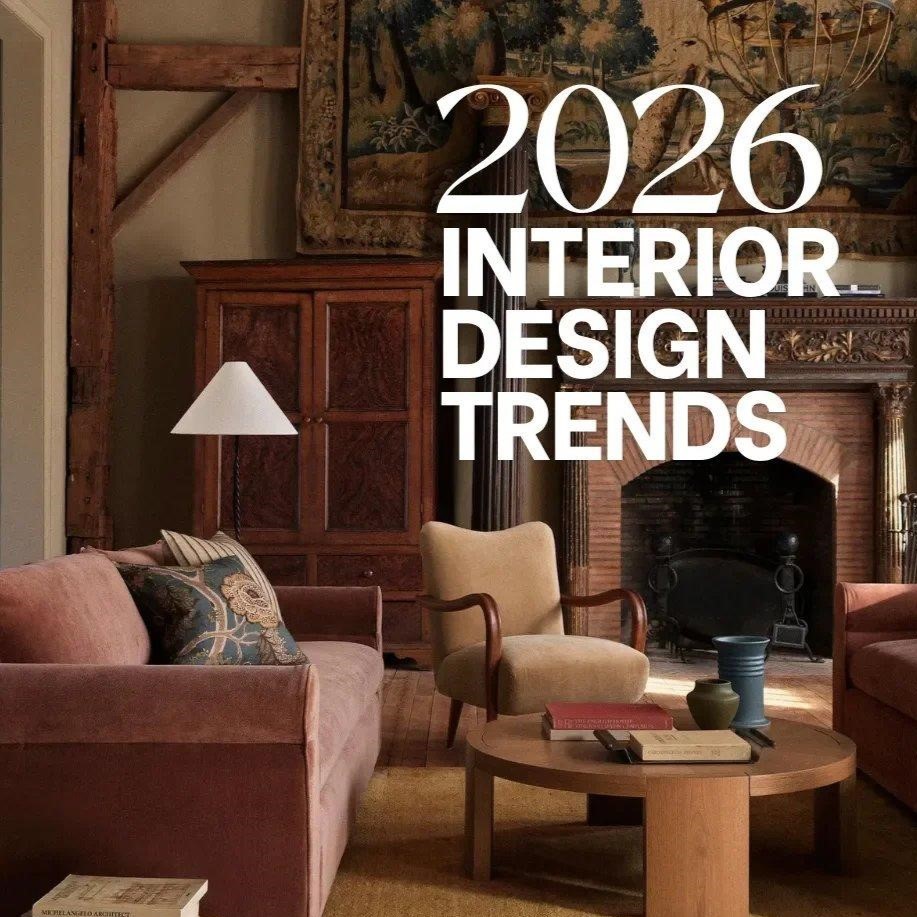
2026 Interior Material Trends Every Designer Should Watch
08/23/2026
Reading time: 5
The world of interior design continues to evolve as clients seek spaces that combine beauty, functionality, and environmental responsibility. In 2026, architectural materials are no longer chosen solely for their appearance—they are selected for their performance, sustainability, longevity, and ability to create meaningful experiences.
As architects, designers, and developers embrace innovation, understanding the latest interior material trends 2026 is essential for creating timeless, high-value spaces. From eco-conscious alternatives to sophisticated premium finishes, the coming year promises exciting opportunities to redefine modern interiors.
Sustainability Becomes the Standard
The demand for sustainable materials has shifted from being a niche preference to an industry expectation. Clients increasingly value environmentally responsible solutions without compromising luxury or durability.
Popular sustainable materials in 2026 include:
- Recycled natural stone and engineered surfaces
- FSC-certified timber
- Bamboo and cork applications
- Recycled metals
- Low-VOC paints and finishes
- Bio-based composite materials
These materials reduce environmental impact while offering exceptional performance and sophisticated aesthetics suitable for residential, hospitality, retail, and commercial environments.
Natural Textures Create Lasting Appeal
![Natural Textures Create Lasting Appeal]()
Nature-inspired interiors continue to dominate modern design. Designers are moving toward tactile surfaces that bring warmth and authenticity into spaces.
Trending natural materials include:
- Travertine
- Limestone
- Marble with expressive veining
- Textured oak
- Walnut veneers
- Handmade ceramic tiles
These luxury interior materials create calming environments while delivering timeless elegance that remains relevant beyond seasonal trends.
Premium Finishes Define Luxury
Luxury today is expressed through craftsmanship rather than excessive ornamentation. The emphasis is on refined detailing and superior material quality.
Leading premium finishes for 2026 include:
- Matte stone surfaces
- Brushed brass
- Satin stainless steel
- Bronze accents
- Fluted glass
- Microcement finishes
- Textured wall panels
Modern Interior Finishes Focus on Performance
Today’s interiors require materials that perform as beautifully as they look. Designers are prioritizing surfaces that are durable, hygienic, and easy to maintain.
Among the most requested modern interior finishes are:
- Fingerprint-resistant laminates
- Anti-bacterial surfaces
- High-performance porcelain slabs
- Waterproof engineered wood flooring
- Quartz composite countertops
- Scratch-resistant decorative panels
These innovations allow designers to create luxurious interiors that withstand everyday use without sacrificing elegance.
Large Format Materials Continue to Rise
![Large Format Materials Continue to Rise]()
Large-format materials are becoming increasingly popular across residential and commercial projects. Seamless installations create clean visual lines while reducing grout joints and maintenance requirements.
Applications include:
- Full-height porcelain walls
- Oversized marble slabs
- Continuous natural stone flooring
- Large decorative panels
- Minimal-joint countertops
The result is a sophisticated aesthetic that enhances spatial continuity and creates a sense of openness.
Warm Minimalism Leads Interior Design
Minimalism remains influential, but the trend has evolved into warmer, more inviting spaces.
Key characteristics include:
- Earth-inspired colour schemes
- Natural wood finishes
- Soft matte textures
- Organic fabrics
- Layered lighting
- Curved architectural details
This balanced approach creates interiors that feel both luxurious and welcoming.
Smart Materials Enter Mainstream Design
Technology is increasingly influencing material selection. Smart surfaces are finding their way into premium residential and commercial environments.
Emerging innovations include:
- Self-healing coatings
- Anti-microbial materials
- Acoustic wall systems
- Integrated LED surfaces
- Energy-efficient glazing
- Interactive architectural finishes
These materials improve comfort, efficiency, and long-term value while supporting modern lifestyles.
Mixed Material Combinations Create Character
Rather than relying on a single dominant material, designers are blending complementary textures to create visually rich interiors.
Popular combinations include:
- Marble with natural oak
- Bronze with fluted glass
- Concrete with walnut
- Stone with textured metal
- Leather with timber
- Porcelain with brass detailing
Layering materials adds depth and individuality while reinforcing a premium design language.
Wellness Influences Material Selection
Health and wellbeing continue to shape design decisions.
Preferred solutions include:
- Low-emission finishes
- Natural fibres
- Acoustic wall systems
- Breathable materials
- Hygienic surfaces
- Daylight-enhancing finishes
Wellness-focused interiors not only improve user experience but also contribute to healthier living and working environments.
Final Thoughts
The interior material trends 2026 reflect a broader shift toward responsible luxury, advanced performance, and timeless design. Sustainability, craftsmanship, innovation, and wellness are no longer separate considerations—they work together to define the interiors of the future.
For architects, interior designers, developers, and property owners, staying ahead of these trends provides an opportunity to create distinctive environments that combine beauty with purpose. As the industry continues to evolve, thoughtful material selection will remain one of the most powerful tools in delivering exceptional design outcomes.